
Why Using the Right Charger Matters: Voltage, Amps, and Compatibility
Understanding Voltage, Amps and Watts
Choosing the right charger starts with understanding three basic measurements: voltage, amperage and wattage. Voltage refers to the electrical pressure delivered to a device, while amperage measures how much current the charger can supply. Wattage represents the total power available and is calculated by multiplying volts by amps.
These figures affect how safely and quickly a device charges. A charger with insufficient wattage may charge a phone slowly or struggle to maintain power while the device is being used. Incorrect voltage can be more serious, as supplying more voltage than a device is designed to accept may cause overheating or damage.
The same principles apply to every phone charging station, particularly in commercial settings where several devices may be connected at once. Each charging point must deliver suitable power while managing demand safely, helping users charge their devices reliably without unnecessary delays or risks.
What Happens When a Charger’s Specifications Do Not Match?
Using a charger with unsuitable specifications can lead to poor performance and, in some cases, damage. If the charger does not provide enough wattage, a device may charge very slowly, stop charging altogether or continue losing power while in use. This is especially noticeable with tablets, laptops and newer smartphones that require higher power levels.
Voltage mismatches can present a greater risk. Supplying a device with more voltage than it is designed to accept may cause excess heat, battery damage or failure of internal components. Modern devices usually control how much current they draw, but the charger must still support the correct voltage and charging protocol.
For a public phone charger station, these issues can affect several users at once. Commercial equipment therefore needs properly matched power supplies, built-in safety controls and reliable components to deliver consistent charging without overheating, interruptions or unnecessary wear.
Cables, Connectors and Fast-Charging Compatibility
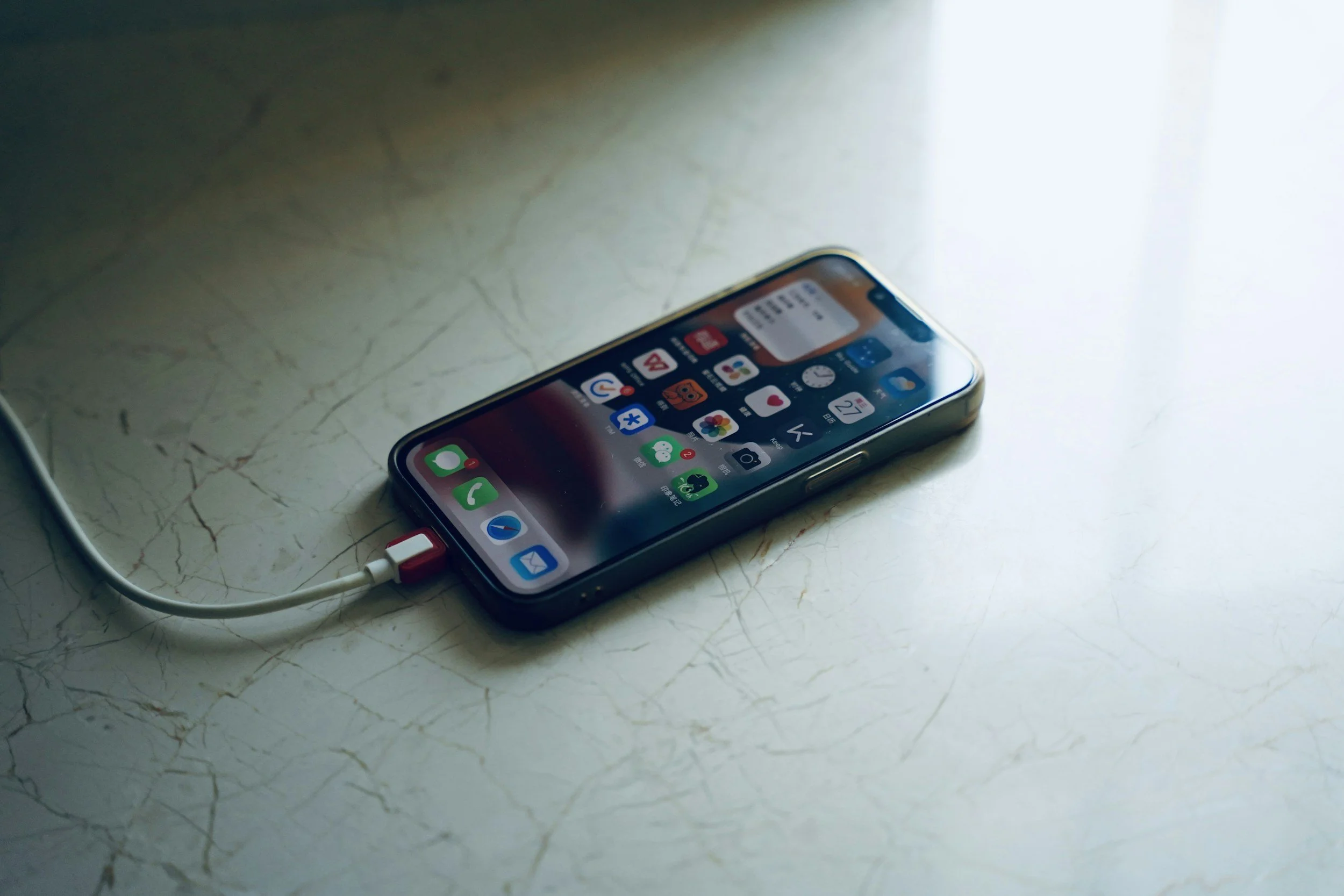
A cable fitting into a device does not always mean it will deliver the fastest or safest charge. Different connectors and charging standards support different power levels, so both the charger and cable must be suitable for the device.
Key points to check include:
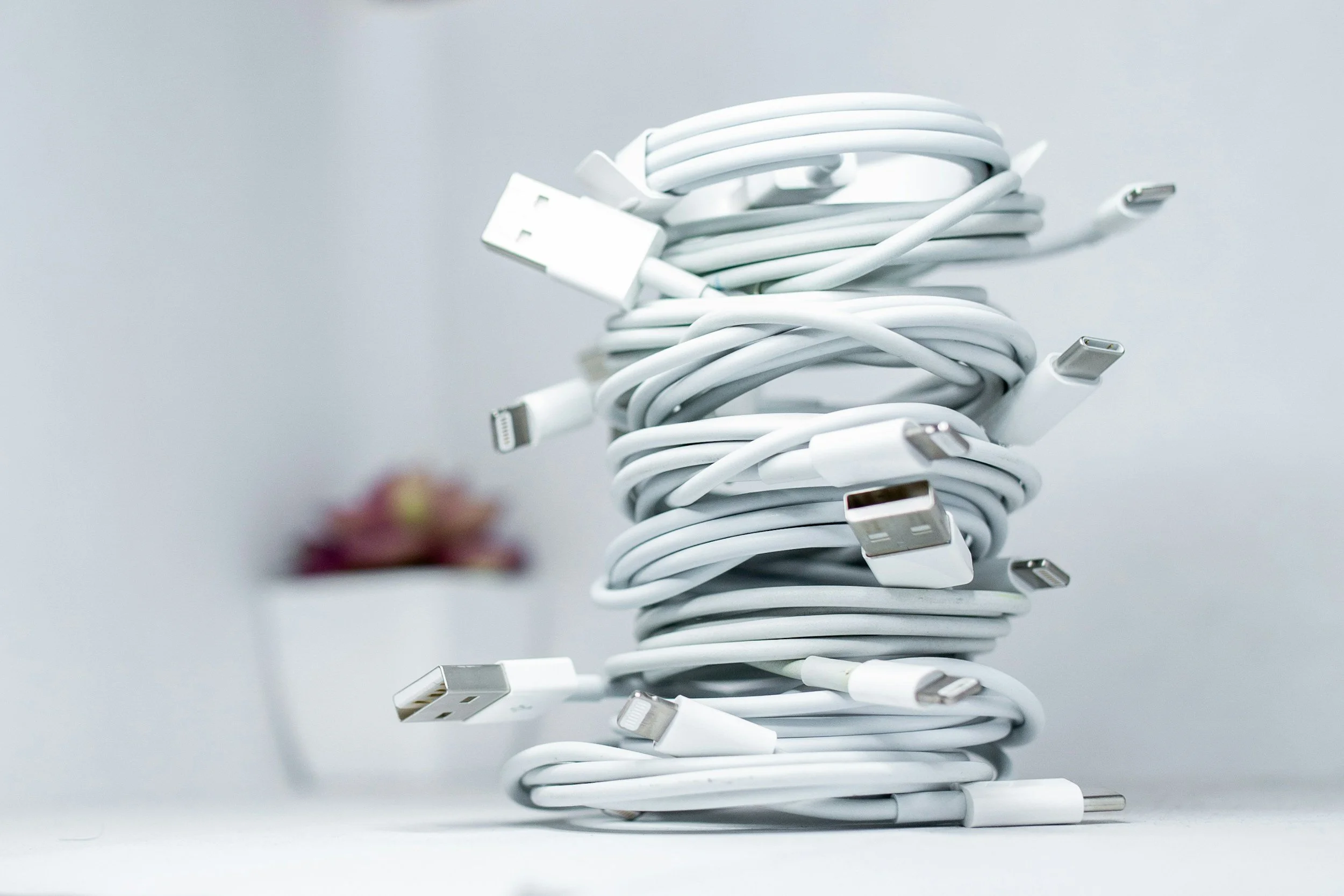
Connector type: USB-A, USB-C and Lightning connectors are not interchangeable, and adapters can sometimes reduce charging performance.
Power rating: Some cables are designed only for low-power charging, while others can safely support tablets, laptops and fast-charging smartphones.
Charging protocol: Technologies such as USB Power Delivery allow compatible devices and chargers to agree on the correct voltage and wattage.
Cable condition: Worn, damaged or poor-quality cables can cause interrupted charging, excess heat or complete failure.
A commercial mobile phone charger locker should therefore include durable, correctly rated cables that support a broad selection of devices and can withstand frequent public use.
Why Compatibility Is Critical in Commercial Charging Environments
Commercial charging equipment must support a wide range of devices, power requirements and connector types. In offices, hotels, event venues and shopping centres, users may arrive with different smartphone models, tablets or laptops, all expecting a reliable charging experience.
Poor compatibility can lead to slow charging, failed connections and frustrated users. It can also place extra strain on cables and power supplies, increasing the risk of faults and maintenance issues. For businesses, unreliable charging facilities may reflect badly on the wider customer experience.
A power charging table should provide suitable outputs for multiple devices while managing demand safely. ChargeSpot’s commercial charging solutions are built for regular public use, helping businesses offer convenient access to power without relying on mismatched consumer chargers. Choosing equipment with broad compatibility, durable components and proper safety controls helps reduce downtime and ensures users can charge with greater confidence.
Choosing a Safe and Reliable Commercial Charging Solution
Choosing the right commercial charging solution means looking beyond appearance and considering how the equipment will perform in daily use.
Businesses should assess:
Device compatibility: Ensure the unit supports common connector types and a wide range of phones, tablets and laptops.
Power output: Check that each charging point can deliver enough power without slowing down when several devices are connected.
Safety features: Look for built-in protection against overheating, overvoltage and short circuits.
Durability: Choose cables, ports and housings designed to withstand frequent public use.
Maintenance support: Reliable servicing and replacement parts can help reduce downtime.
ChargeSpot supplies charging equipment for purchase, rental and leasing, with options for custom branding, installation and ongoing maintenance. By selecting a solution designed for commercial environments, organisations can provide dependable charging facilities while improving convenience for customers, visitors and staff.
