
Understanding Lithium-Ion Batteries: The Science Behind Your Phone's Power
Why Lithium-Ion Batteries Dominate Modern Smartphones
Smartphones have become an essential part of everyday life, requiring batteries that can deliver reliable performance while fitting into increasingly slim and lightweight devices. This is one of the main reasons why lithium-ion batteries have become the preferred power source for modern smartphones, tablets, smartwatches, and other portable electronics.
Compared to older battery technologies, lithium-ion batteries offer several important advantages. They can store a large amount of energy in a relatively small space, allowing manufacturers to create compact devices without compromising battery life. They are also rechargeable, making them a practical and cost-effective solution for consumers who rely on their devices throughout the day.
Some of the key benefits of lithium-ion batteries include:
High energy density for longer usage between charges
Lightweight construction compared to older battery types
Faster charging capabilities
Low self-discharge when not in use
Long operational lifespan when properly maintained
These advantages have helped lithium-ion technology become the industry standard for portable electronics. Whether you're sending messages, streaming content, navigating with GPS, or making contactless payments, lithium-ion batteries provide the dependable power needed to keep modern devices running throughout the day.
The Science Behind Lithium-Ion Technology
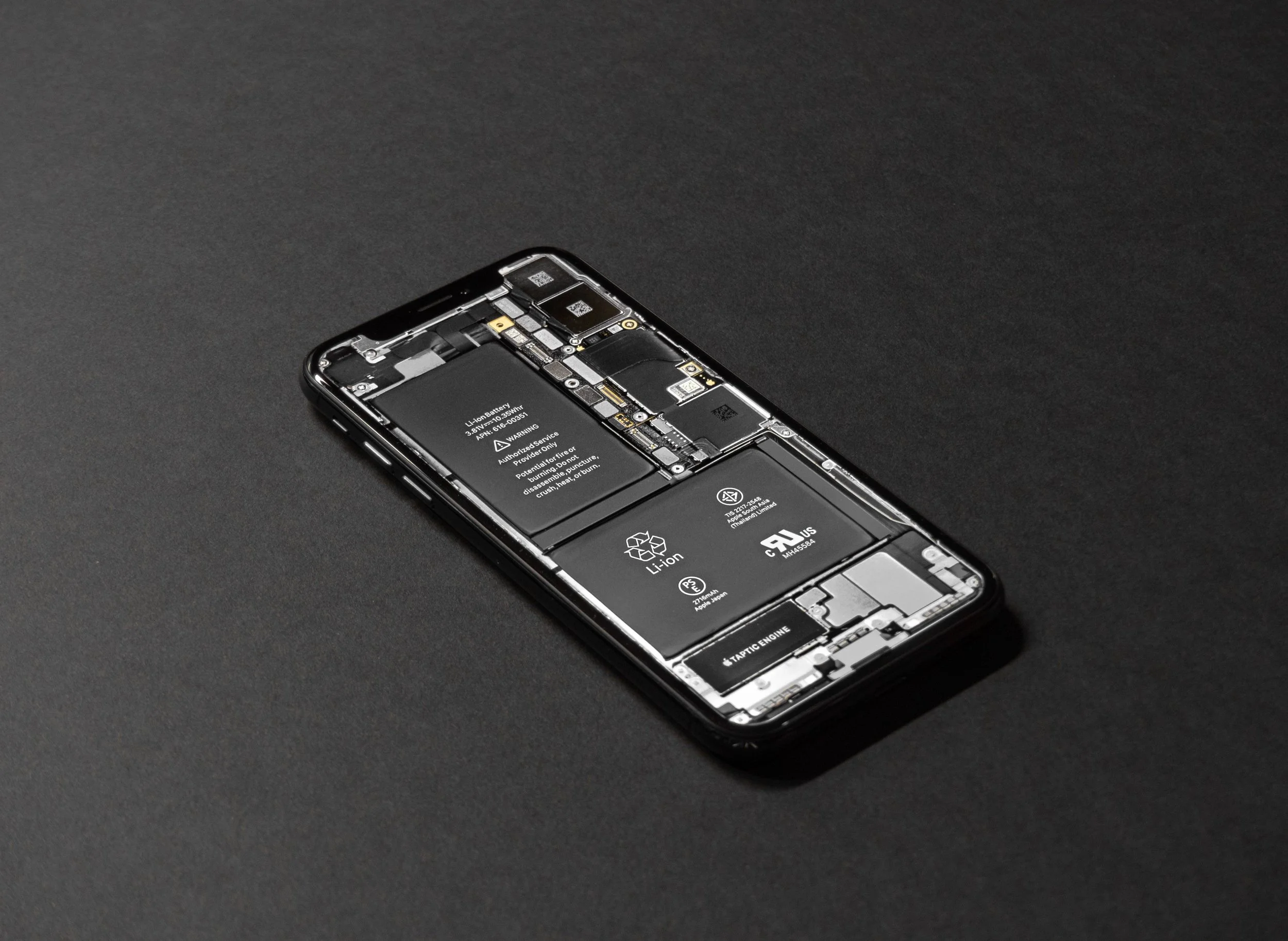
While lithium-ion batteries are used in millions of devices worldwide, their operation is based on a surprisingly simple concept. They generate and store energy through the movement of lithium ions between two electrodes inside the battery.
When a smartphone is being used, lithium ions move from the negative electrode, known as the anode, to the positive electrode, known as the cathode. This movement creates an electrical current that powers the device's various components, including the display, processor, and wireless connections.
When the device is plugged in to charge, the process reverses. Electrical energy from the charger pushes the lithium ions back towards the anode, where energy is stored until it is required again.
Several key components work together to make this process possible:
Anode – Stores lithium ions when the battery is charging.
Cathode – Receives lithium ions when the battery is powering the device.
Electrolyte – Allows lithium ions to travel between the electrodes.
Separator – Prevents the electrodes from coming into direct contact while enabling ion movement.
This continuous movement of lithium ions allows a battery to be charged and discharged hundreds of times. However, each cycle causes a small amount of wear to the battery's internal components, which is why performance gradually declines as batteries age.
What Causes Battery Performance to Decline?
Although lithium-ion batteries are designed to provide reliable performance for years, they naturally lose capacity over time. This gradual reduction in performance, known as battery degradation, is a normal part of the battery's lifecycle and affects every rechargeable smartphone battery.
Each time a device is charged and discharged, small chemical changes occur within the battery. While these changes are minimal during a single charge cycle, they accumulate over hundreds of cycles, gradually reducing the battery's ability to store energy. As a result, users may notice their device requires more frequent charging or experiences shorter battery life than when it was new.
Several factors can speed up this ageing process. High temperatures are among the most significant contributors, as excessive heat can place additional stress on the battery's internal components and accelerate chemical wear. Likewise, regularly allowing a battery to drain completely, keeping it at a full charge for extended periods, or relying heavily on fast charging can contribute to long-term capacity loss.
The quality of charging equipment can also influence battery health. Using reliable chargers and cables helps maintain consistent power delivery and reduces unnecessary strain on the battery. In public and commercial settings, secure charging solutions such as phone charging lockers provide users with a safe and convenient way to recharge their devices while protecting them from theft or accidental damage.
While battery degradation cannot be completely prevented, understanding what causes it can help users make better decisions about how they charge and care for their devices over time.
Charging Myths and Best Practices
Smartphone battery advice is often surrounded by myths, many of which date back to older battery technologies that are no longer widely used. Understanding the facts can help users adopt better charging habits and maximise the lifespan of their devices.
One common misconception is that a battery should be allowed to drain completely before being recharged. In reality, lithium-ion batteries perform best when they are kept within a moderate charge range. Regularly allowing a battery to reach 0% can place unnecessary stress on its internal components and contribute to faster degradation over time.
Another widespread myth is that charging a phone overnight will immediately damage the battery. Modern smartphones are equipped with battery management systems that help regulate charging once the battery reaches full capacity. While occasionally charging overnight is unlikely to cause significant harm, keeping a device connected to power for extended periods on a daily basis may contribute to additional heat generation and long-term wear.
For optimal battery health, many experts recommend keeping the battery level between 20% and 80% whenever possible. Avoiding excessive heat, using high-quality charging accessories, and removing protective cases if a device becomes unusually warm during charging can also help preserve battery performance.
As charging becomes an expected convenience in public spaces, businesses are increasingly investing in solutions such as device charging tables and phone charging stands. These charging facilities allow visitors, customers, and employees to keep devices powered throughout the day while encouraging the use of dedicated, reliable charging equipment.
By following a few simple charging best practices, smartphone users can reduce battery wear and maintain stronger performance over the long term.
The Future of Smartphone Batteries and Charging Solutions
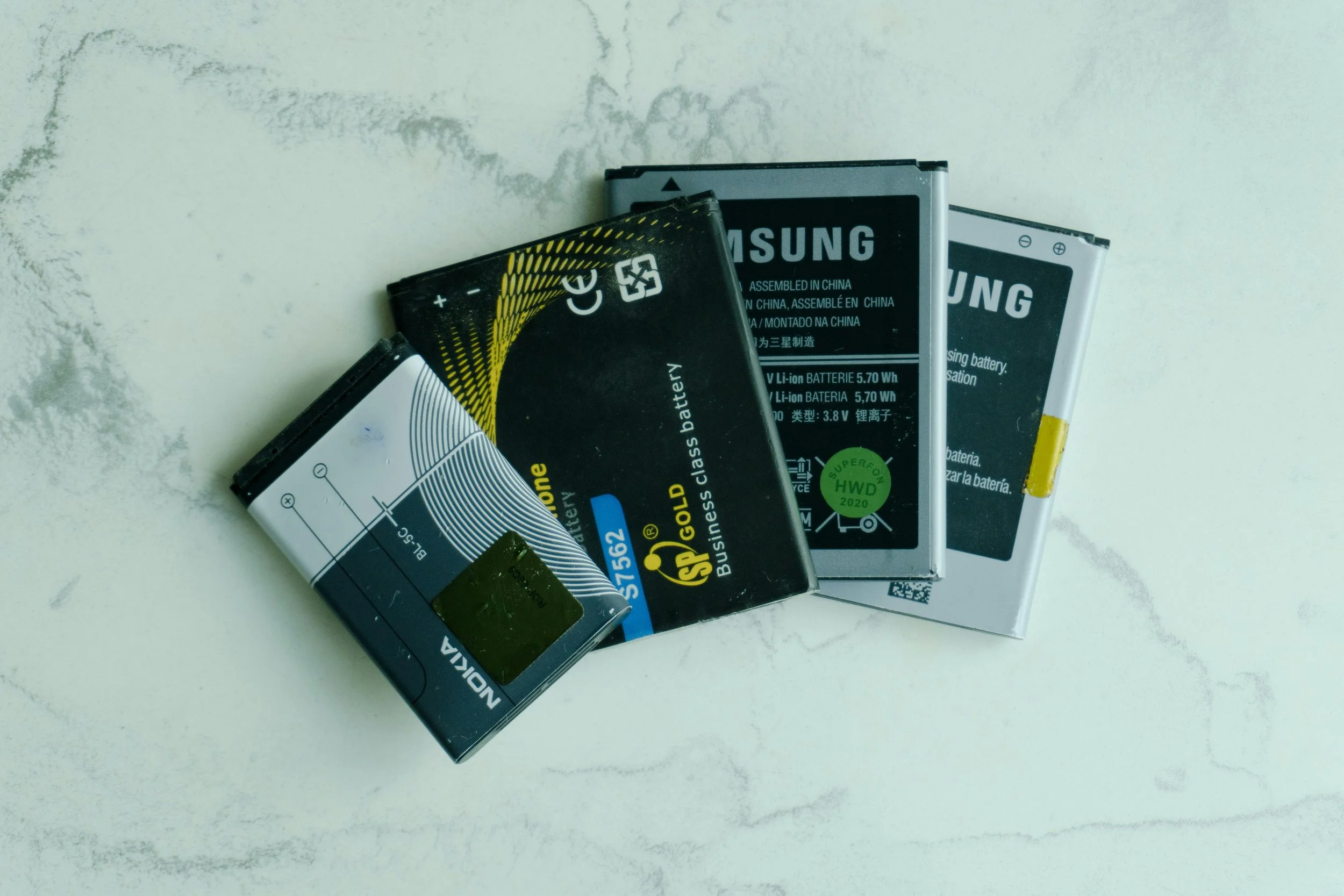
As smartphones become more powerful and feature-rich, battery technology must continue to evolve to meet growing consumer demands. While lithium-ion batteries remain the dominant technology today, manufacturers are investing heavily in research aimed at improving battery capacity, charging speeds, and overall lifespan.
One area of development is fast-charging technology, which has already reduced charging times significantly compared to earlier generations of smartphones. Many modern devices can now reach substantial charge levels within minutes rather than hours, making it easier for users to stay connected throughout the day.
Researchers are also exploring alternatives to traditional lithium-ion batteries, including solid-state batteries. These next-generation power sources have the potential to offer greater energy density, improved safety, and longer operational lifespans. Although widespread adoption may still be several years away, solid-state technology is widely viewed as one of the most promising developments in the battery industry.
Alongside advancements in battery design, there is a growing demand for convenient charging infrastructure in public and commercial environments. Businesses, event organisers, and venue operators increasingly recognise the importance of providing accessible charging facilities for visitors who rely heavily on their mobile devices.
This trend is particularly evident at exhibitions and live events, where trade show charging stations help attendees remain connected while encouraging longer engagement with exhibitors. Similarly, festival phone charging stations have become a valuable service at outdoor events, allowing attendees to recharge their devices and stay in contact with friends, family, and event organisers.
As battery technology and charging solutions continue to advance, smartphone users can expect faster charging, improved battery longevity, and greater access to convenient charging facilities wherever they go.
